Roof Repairs
Leak repairs across Liverpool and Fairfield. Most leaks here start at a junction where an addition meets the original roof.
Learn more →Full re-roofing for Liverpool and Fairfield homes in tile or Colorbond, including the added patios and extensions. Free inspection and written quote.
Leak repairs across Liverpool and Fairfield. Most leaks here start at a junction where an addition meets the original roof.
Learn more →Colorbond roofing and tile-to-metal conversions across Liverpool, Cabramatta and Fairfield.
Learn more →Tile roof restoration across Liverpool and Fairfield: clean, rebed, repoint and recoat, for a fraction of the cost of replacement.
Learn more →Gutter and downpipe replacement across Liverpool, sized for south-west Sydney storm runoff.
Learn more →Storm and hail response across Liverpool and Fairfield, with photographed damage for your insurer.
Learn more →Written roof inspection reports across Liverpool and Fairfield for buyers, owners and insurance claims.
Learn more →Nobody re-roofs a house for fun. You do it when the patches have stopped holding.
The usual tipping point in this area is a 1950s to 1970s tile roof that has had everything done to it already. The ridge caps have been repointed once. A valley has been replaced. Someone has siliconed the flashings. And it still leaks, in a different spot each time.
At that point the tiles themselves are the problem. Concrete tiles lose their surface and start to absorb water. Terracotta tiles go brittle and crack around the nail holes. Once the material is failing, every repair is buying a few months.
Signs a replacement is the better buy:
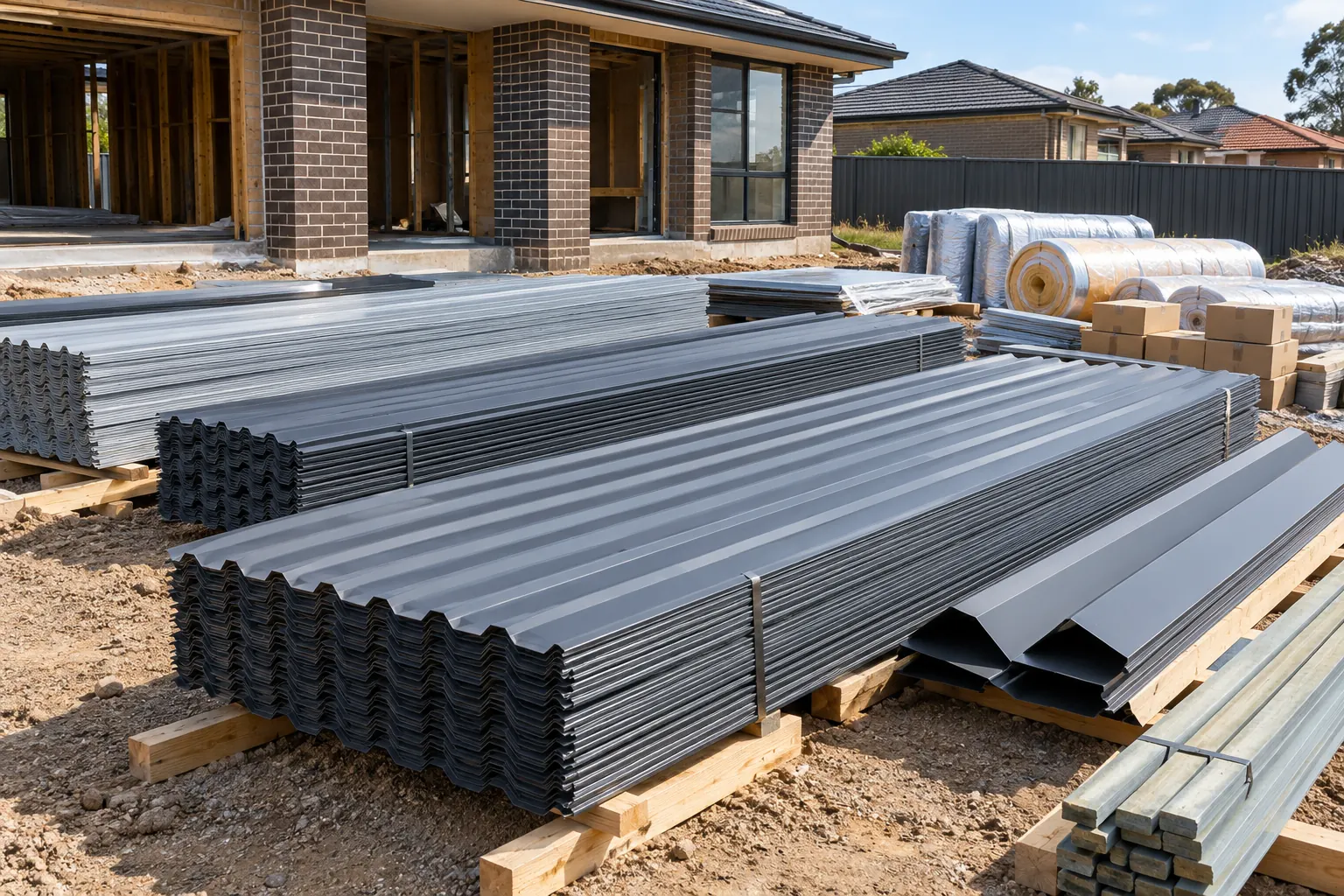
Both work. The choice usually comes down to the shape of your roof and what you want from it.
Stay with tile if you like the look, the roof shape has a lot of hips and valleys, and you want a material that is quiet in rain and replaceable one tile at a time. Modern concrete tiles come pre-coloured through and are a long way ahead of what went on in 1965.
Go to Colorbond if your roof has long simple runs, if you want a lighter roof, if you are adding solar, or if you are tired of mortar work. Sheets also let you go to a lower pitch than tiles allow, which matters when you are re-roofing a flat-ish rear addition.
A practical point for this area: heat. Dark roofs hold heat, and western Sydney runs hotter than the coast through summer. A lighter Colorbond colour and proper roof space ventilation make a real difference to how the back bedrooms feel in February. We will talk through colour at the quote rather than guessing.
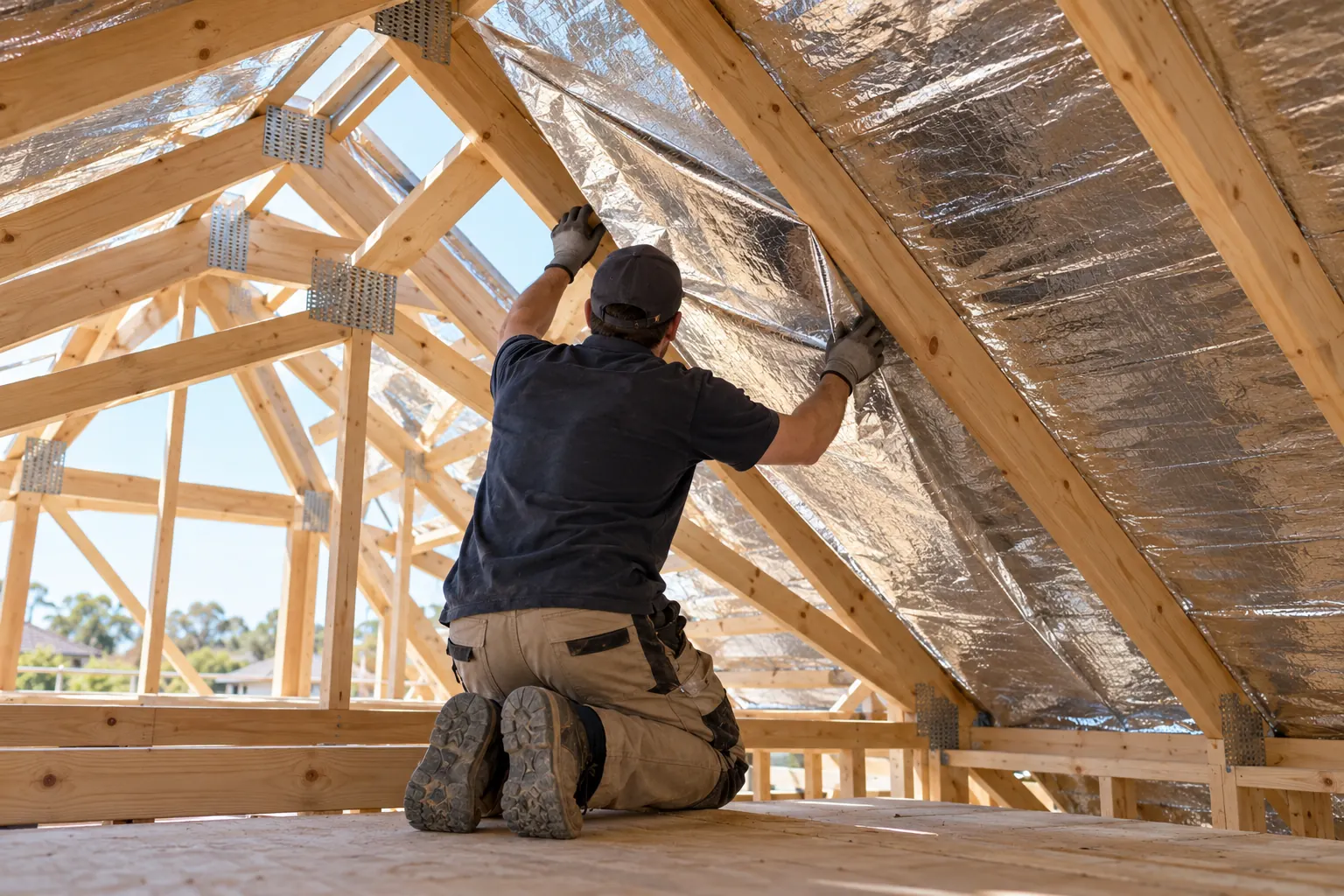
This is the part that gets missed on quotes, and it is the part that causes callbacks.
Most houses around Liverpool and Fairfield are not one roof. They are a main roof plus a rear extension, plus a patio, plus a carport, and sometimes a separate dwelling at the back. Each one joins the next at a step or a change of pitch.
If you re-roof the main house and leave the additions as they were, the new work is only as good as the old flashings it ties into. We measure and price those junctions as part of the job, and we tell you when an added section is too flat for the material it has on it.
Work is carried out by established, licensed and insured roofing contractors working to NSW Fair Trading requirements.
Two things worth knowing as a homeowner in NSW. Residential building work over $5,000 needs a written contract. Work over $20,000 also needs cover under the Home Building Compensation scheme. A re-roof usually sits in that second bracket, so expect paperwork and expect it to be filled in properly.
The inspection and the written quote are free. You will get a figure for the whole job and separate figures for the optional parts, so you can stage the work if you need to.
We re-roof across Lurnea, Green Valley, Prestons, Bonnyrigg and the rest of the service areas.
Not sure yet whether you need a full replacement? A roof restoration is the cheaper answer when the tiles are still sound, and a roof inspection and report will tell you which camp your roof is in.
Call (02) 4601 3500 or ask for a quote.
A straightforward single-storey house is usually three to five working days. Two storeys, a complicated roof shape, or several added sections joined together can run to a week or more. We strip and re-cover one area at a time rather than opening the whole roof, and we give you the expected run of days in the quote before you commit.
Yes. We only strip what we can re-cover the same day, and sarking goes down behind us as we go. If rain is forecast mid-job the open area is covered and weighted before we leave the site. Nothing is left open overnight. That matters here because summer storms in south-west Sydney arrive fast in the afternoon.
Often not, because like-for-like re-roofing can fall under the NSW exempt development rules. A change of material or colour is a different question, and heritage listings or conservation areas change the answer again. We check the property against Liverpool City Council or Fairfield City Council before quoting, and we tell you if an application is needed rather than guessing.
Metal is much lighter than tile, so the load drops rather than rises. The thing we actually check is the batten spacing and the condition of the timber, because tile battens sit at a different spacing to metal roof battens, and the old timber has to be sound. If battens need replacing, that goes in the quote as a line item, not as a surprise later.
We do. The old tiles, battens, broken sarking and offcuts all leave with us, and the site gets swept and magnet-rolled for nails and screws at the end. Gutters get cleared of debris before we hand back. If there is bonded asbestos sheeting anywhere on the roof, it is removed and disposed of under the SafeWork NSW requirements.
Tell us what you need and we'll get straight back to you. Prefer to talk? Call (02) 4601 3500 and speak to someone local.
Call (02) 4601 3500